Line 1 – Ordinary Income/Loss from Trade or Business Activities – Ordinary business income (loss) reported in Box 1 of the K-1 is entered as either Non-Passive Income/Loss or as Passive Income/Loss.
What is passive income on Schedule k1?
Passive Income is income from business activities in which the taxpayer does not materially participate, and all rental activities (except those of qualified real estate professionals).
Is passive income taxed less?
Passive income can receive the same tax treatment as long-term capital gains. This means money you earn from qualified passive activities receives preferential tax treatment, thereby making it a superior type of income compared to ordinary income.
Is passive income taxed differently than active income?
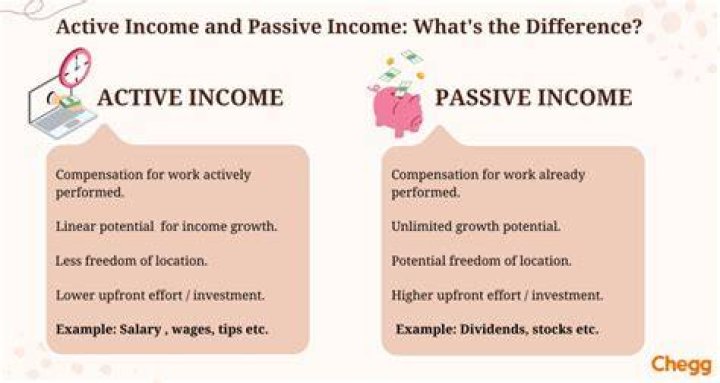
Passive income is earnings derived from a rental property, limited partnership, or other enterprise in which a person is not actively involved. As with active income, passive income is usually taxable, but it is often treated differently by the IRS.
How do you know if income is passive or Nonpassive?
Nonpassive income and losses constitute any income or losses that cannot be classified as passive. Nonpassive income includes any active income, such as wages, business income, or investment income. Nonpassive losses include losses incurred in the active management of a business.
How do I know if my K-1 is passive or Nonpassive?
K-1 Recipient – Nonpassive or Passive?
- Participation was for more than 500 hours;
- Participation was substantially full participation in the activity by all individuals including non-owners (basically a one person business);
Can General partner have passive income?
Under Section 469, passive losses (generally) may offset only passive income. It is easier for a general partner than a limited partner to participate materially in an activity.
Can ordinary income be passive?
When looking at the term, it’s easy to see that passive income is any income source which doesn’t come from active sources (also known as ordinary).
Is there a difference between passive and non-passive income?
Well, the answer is yes, as long as you embrace the right approaches. However, before you can do that, you have to understand each concept. First of all, non-passive income is defined as the revenue you obtain for the work you get paid for by the hour.
Can a passive loss offset a nonpassive loss?
BREAKING DOWN ‘Nonpassive Income and Losses’. Nonpassive income and losses cannot be offset with passive losses or income. For example, wages or self-employment income cannot be offset by losses from partnerships or other passive activities.
Is the S Corp income passive or non-passive?
If you have Schedule K-1 income that is generated from an S corporation, and you were actively participating in the business, then it would be non-passive. It is not automatically earned income or passive income.
What are examples of nonpassive income and losses?
BREAKING DOWN ‘Nonpassive Income and Losses’. For example, wages or self-employment income cannot be offset by losses from partnerships or other passive activities. Conversely, nonpassive losses cannot be offset by passive income from partnerships or other sources of income in which the taxpayer is not a material participant.