Uncollectible Accounts. An account receivable that the business cannot collect; also called a bad debt. Direct write-off method. The business removes the uncollectible account from its accounting records when it determines the amount is not going to be paid.
What does AR mean in bank account?
Accounts receivable
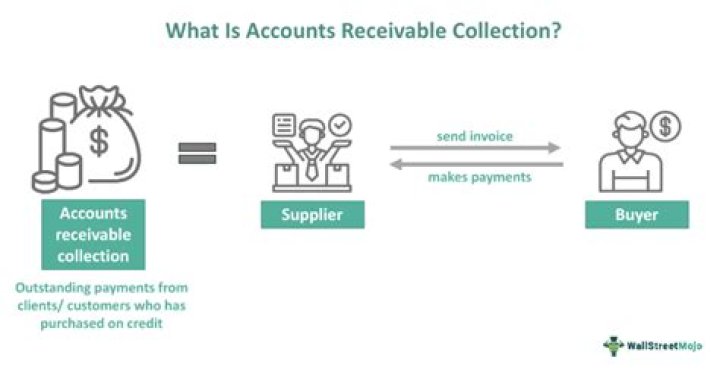
Accounts receivable (AR) is the balance of money due to a firm for goods or services delivered or used but not yet paid for by customers. Accounts receivables are listed on the balance sheet as a current asset. AR is any amount of money owed by customers for purchases made on credit.
Is worthless receivable an asset?
Answer: When an account proves to be uncollectible, the receivable T-account is decreased. The $1,000 balance is simply removed. It is not viewed as an asset because it has no future economic benefit. Throughout the year, this entry is repeated whenever a balance is found to be worthless.
How many days does it take to collect receivables from your customers?
The sum of money owed is known as accounts receivable. Although payment timetables vary on a case-by-case basis, accounts receivables are typically due in 30, 45, or 60 days, following a given transaction.
Is accounts receivable a revenue?
Does accounts receivable count as revenue? Accounts receivable is an asset account, not a revenue account. However, under accrual accounting, you record revenue at the same time that you record an account receivable.
What makes up an account receivable ( AR )?
Accounts receivable (AR) is money that your customers owe you for buying goods and services on credit. Your accounts receivable consist of all the unpaid invoices or money owed by your customers. Your customers should pay this amount before the invoice due date. AR are recorded as an asset on your company’s balance sheet.
How are uncollectible receivables accounted for in accounting?
Uncollectible accounts are frequently called “bad debts.” A simple method to account for uncollectible accounts is the direct write-off approach. Under this technique, a specific account receivable is removed from the accounting records at the time it is finally determined to be uncollectible.
When do you write off an account receivable?
Under this technique, a specific account receivable is removed from the accounting records at the time it is finally determined to be uncollectible. The appropriate entry for the direct write-off approach is as follows: Notice that the preceding entry reduces the receivables balance for the item that is uncollectible.
What happens if you don’t manage accounts receivable?
Even with steady sales and growth, if your company has continual cash flow issues due to lack of accounts receivable management, that could slow or stop your company’s growth.