SWOT stands for Strengths, Weaknesses, Opportunities, and Threats, and so a SWOT Analysis is a technique for assessing these four aspects of your business. You can use SWOT Analysis to make the most of what you’ve got, to your organization’s best advantage.
Does Toys R Us have sustained competitive advantage Why or why not?
These days, Toys “R” Us has no single and sustainable competitive advantage, other than brand. In the US, its traditional stronghold, the company has lost its number one positions as toy retailer to Wal-Mart. Retail is notoriously seasonal and Toys “R” Us is no different to other retailers.
What are your opportunities and threats?
Opportunities and threats are external—things that are going on outside your company, in the larger market. You can take advantage of opportunities and protect against threats, but you can’t change them. Examples include competitors, prices of raw materials, and customer shopping trends.
What are strengths and opportunities?
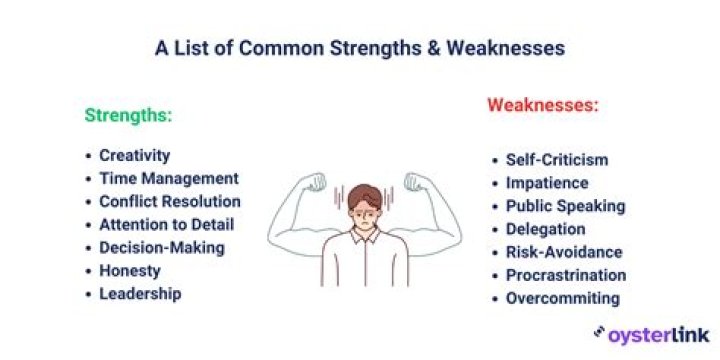
Strengths: Internal attributes and resources that support a successful outcome. Weaknesses: Internal attributes and resources that work against a successful outcome. Opportunities: External factors that the entity can capitalize on or use to its advantage.
What are examples of threats in a SWOT analysis?
24 Examples of SWOT Threats
- Competition. The potential actions of a competitor are the most common type of threat in a business context.
- Talent. Loss of talent or an inability to recruit talent.
- Market Entry. The potential for new competitors to enter your market.
- Prices.
- Costs.
- Approvals.
- Supply.
- Weather.
What are the strengths of Toys R Us?
Below are the Strengths in the SWOT Analysis of Toys’R’Us:
- Took over big brands like Fao Schwarz.
- Strong brand presence due to its history.
- Excellent worldwide distribution due to physical presence in 35 countries all over the world.
- The store has toys from all the best brands and a collection of exclusives as well.
What caused the downfall of Toys R Us?
Toys R Us failed to keep up with the changes the business world was going through. The company also lost its momentum because it didn’t stay ahead of the technology, unlike its competitors which were embracing technology and innovation to adapt to the changing preferences and buying habits of the new generations.
What are the similarities and differences between strengths and opportunities?
An analysis of your strengths as a company include traits, capabilities and cultural elements that give you advantages over your competitors in serving your markets. Opportunities are potential areas for development or improvement that you may or may not have strengths to match.
What are the strengths and weaknesses of toys your US?
It is a useful technique to analyze the present Strengths (S), Weakness (W), Opportunities (O) & Threats (T) Toys R Us is facing in its current business environment. The Toys R Us is one of the leading firms in its industry. Toys R Us maintains its dominant position in market by critically analyzing and reviewing the SWOT analysis.
What can SWOT analysis of toys ” are ” us do?
Toys “R” Us can perform a SWOT analysis and use it to uncover opportunities that this organization is capable of exploiting. Additionally, this analysis can be used to identify and understand the weaknesses that the organization is facing as well as in managing and eliminating threats that may otherwise catch it unawares.
Who are the threats to toys are US?
The threats in the SWOT Analysis of Toys’R’Us are as mentioned: 1.Threat from all the online stores offering the same products at a lower price 1. Toy Wizard 2. Hasbro 3. Fisher-price The brandguide table above concludes the Toys’R’Us SWOT analysis along with its marketing and brand parameters.
How does toys your US maintain its dominant position in market?
Toys R Us maintains its dominant position in market by critically analyzing and reviewing the SWOT analysis. SWOT analysis an immensenly interactive process and requires effective coordination among various departments within the firm such as – marketing, finance, operations, management information systems and strategic planning.