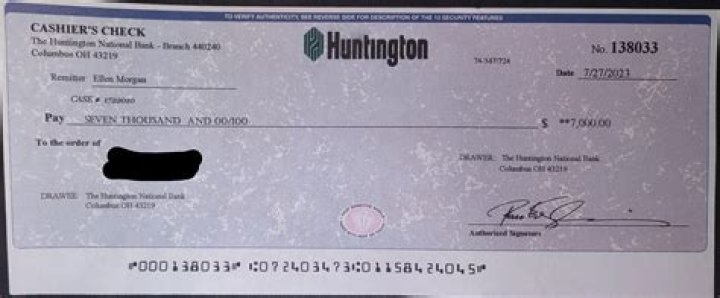
The person or entity writing the check is known as the payor or drawer, while the person to whom the check is written is the payee. The drawee, on the other hand, is the bank on which the check is drawn. Checks may be cashed or deposited.
How is a business check written?
How to write a check.
- Step 1: Date the check. Write the date on the line at the top right-hand corner.
- Step 2: Who is this check for?
- Step 3: Write the payment amount in numbers.
- Step 4: Write the payment amount in words.
- Step 5: Write a memo.
- Step 6: Sign the check.
Can businesses write personal checks?
While it’s perfectly legal to deposit a personal check into one of your LLC’s business accounts, there are certain negative results that can arise from doing so. One such result is known as “piercing the veil” and can expose you to liability.
Can you cash a business check?
If you’re a sole proprietor, for instance, only you can cash checks made out to your business. If your bank doesn’t allow the cashing of business checks made out to a business, one way to get around it is to deposit the check, then make a withdrawal for the same amount from the account.
Should a bookkeeper sign checks?
Bookkeepers should not sign checks. But in a really small organization this may not be practical. One approach is to allow the bookkeeper (or the person who handles the money) to sign small emergency checks, for no more than $100 or $200.
What information should be on a business check?
How to Endorse Business Checks
- Writing the business name, which should match the payee on the front of the check.
- Signing your name.
- Writing your title (President, Owner, Treasurer, etc.)
- Adding any restrictions to the check that you require.
How do you write a check to a small business?
Steps of Writing a Business Check
- Determine Payee. Determine the correct payee name.
- Fill Out Check Details. Once you have correct payee information, fill out the rest of the necessary details as you would a standard personal check.
- Signature.
- Record Business Expense.
Who is responsible for writing a company check?
Ideally, responsibility for writing checks and reconciling bank statements should be divided between different employees. Carefully supervise all employees who have access to blank company checks, company checks payable to suppliers waiting to be mailed out, and checks made payable to the company.
What should businesses know about–corporate checking?
Carefully supervise all employees who have access to blank company checks, company checks payable to suppliers waiting to be mailed out, and checks made payable to the company. Investigate the background of all employees who will be given responsibility with respect to instruments.
What’s the best way to write a business check?
Following a set system to write your business checks will make the process efficient and save you from making errors. Have ready all information that is required to write your business checks.
Who is responsible if a check bounces on a company checking account?
This system is used primarily by businesses to allow employees to write company checks, but it also can be used with personal checking accounts. If you’re an authorized signer on a checking account, but your name doesn’t appear as an account holder, you can’t be held responsible in most cases if a check bounces or you overdraw the account.