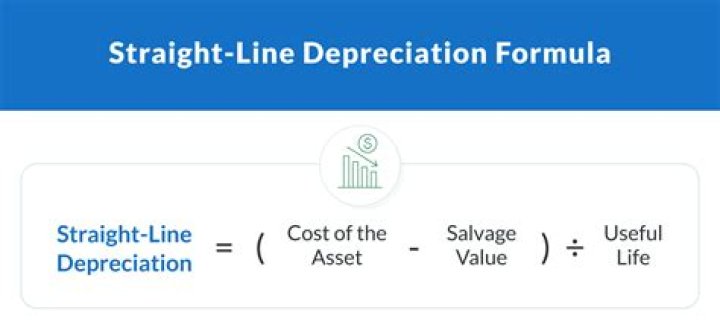
Depreciation allows a company to spread out the cost of an asset over its useful life so that revenue can be earned from the asset. Depreciation prevents a significant cost from being recorded–or expensed–in the year the asset was purchased, which, if expensed, would impact net income negatively.
Why it is important to account for depreciation each year?
Assets such as machinery and equipment are expensive. Instead of realizing the entire cost of the asset in year one, depreciating the asset allows companies to spread out that cost and generate revenue from it. Depreciation is used to account for declines in the carrying value over time.
Why does a business need to record depreciation expense usually at the end of the year?
These entries are designed to reflect the ongoing usage of fixed assets over time. The reason for using depreciation to gradually reduce the recorded cost of a fixed asset is to recognize a portion of the asset’s expense at the same time that the company records the revenue that was generated by the fixed asset.
Why should depreciation be recorded?
Using depreciation allows you to avoid incurring a large expense in a single accounting period, which can severely impact both your balance sheet and your income statement. Once depreciation has been calculated, you’ll need to record the expense as a journal entry.
What happens if depreciation is not recorded?
Forgetting to make proper depreciation adjustments in your company’s financial records can cause delays in equipment replacement. This can lead to equipment failure due to worn out components, which can hurt your company’s finances if your business doesn’t have the needed cash to replace the assets.
How do you treat provision for depreciation in profit and loss account?
You have to debit the amount of depreciation to the Depreciation Account and credit it to the Provision for Depreciation Account (or Accumulated Depreciation Account, if so maintained). The amount of depreciation is then transferred to Profit and Loss Account at the end of the year.
Is depreciation an important treatment for every business?
The value of any asset declines through wear & tear, market conditions, a new model in the market with better productivity, etc. The depreciation of long-term assets is used for Tax and Bookkeeping and Accounting purposes.
How is depreciation treated in profit and loss account?
Depreciation expense is recognized on the income statement as a non-cash expense that reduces the company’s net income. For accounting purposes, the depreciation expense is debited, and the accumulated depreciation is credited.
Can you ignore depreciation?
It can be forgotten among all of the other priorities you’re attending to with your business, but depreciation of fixed assets is something you can’t ignore. Depreciation of fixed assets involves several considerations: each asset’s useful life, its salvage value, obsolescence, and depreciation method.
How does a business record the depreciation of an asset?
Businesses record depreciation by debiting the depreciation expense accounts of their income statements and crediting the accumulated depreciation accounts. As assets continue to depreciate, the accumulated depreciation balance will rise until it equals the purchase value of the asset in question.
Why is depreciation important in an accounting period?
Depreciation represents the specific use of a company’s assets in an accounting period. When companies make large purchases, they will record the items as assets. Assets represent long-term value for a company’s facilities, vehicles and equipment. Expensing these items when purchased would create distorted net income.
Where does depreciation go on the income statement?
In other words, depreciation systematically moves the asset’s cost from the balance sheet to depreciation expense on the income statement over the asset’s useful life. Accountants point out that depreciation is an allocation process which does not result in reporting the asset’s market value. The accounting entry to record depreciation is:
What is the purpose of charging depreciation in accounts?
We charge depreciation because most of the long-lived assets used in a business have 1) a significant cost, and 2) they will be useful only for a limited number of years.